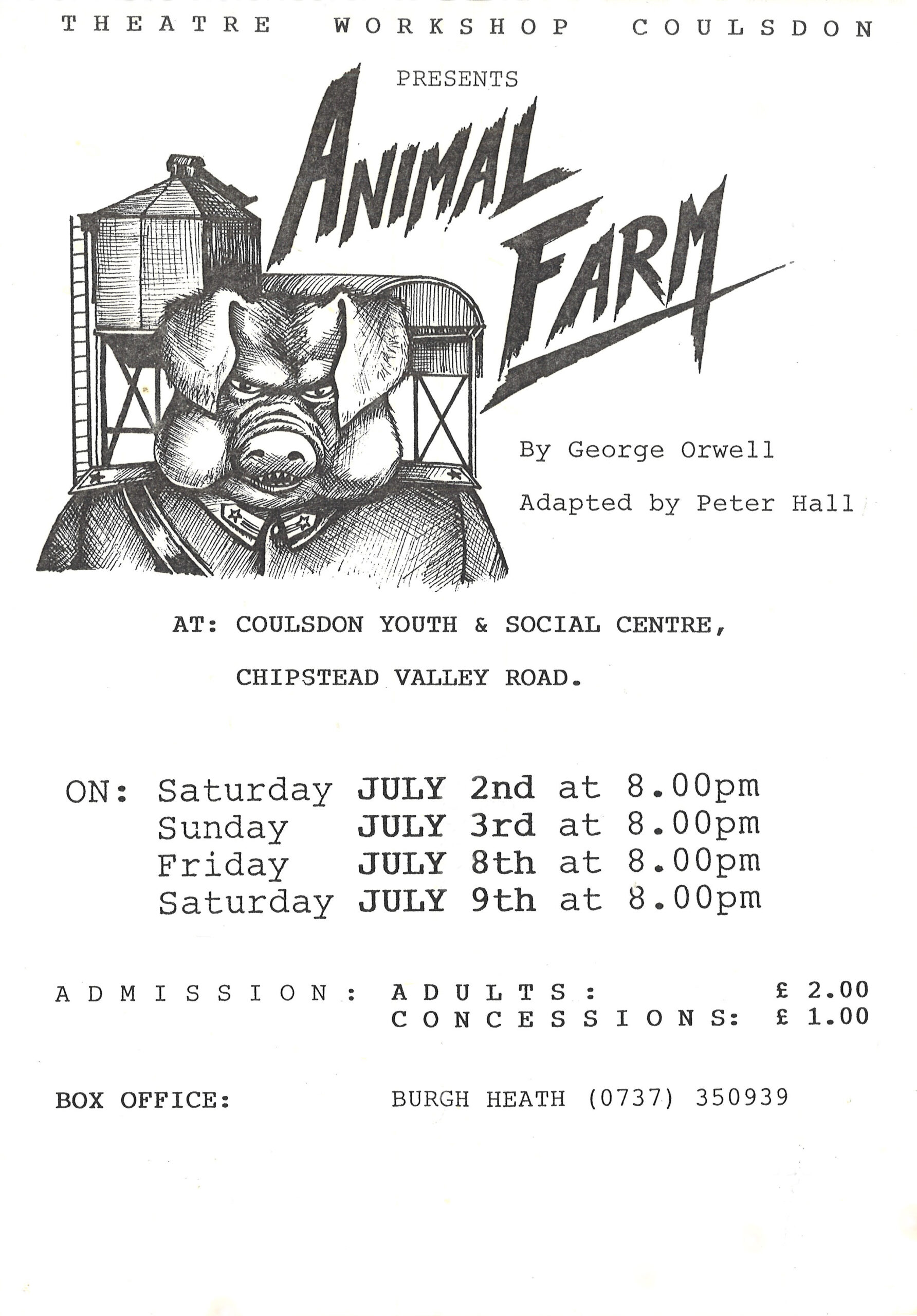
Animal Farm
About the Production
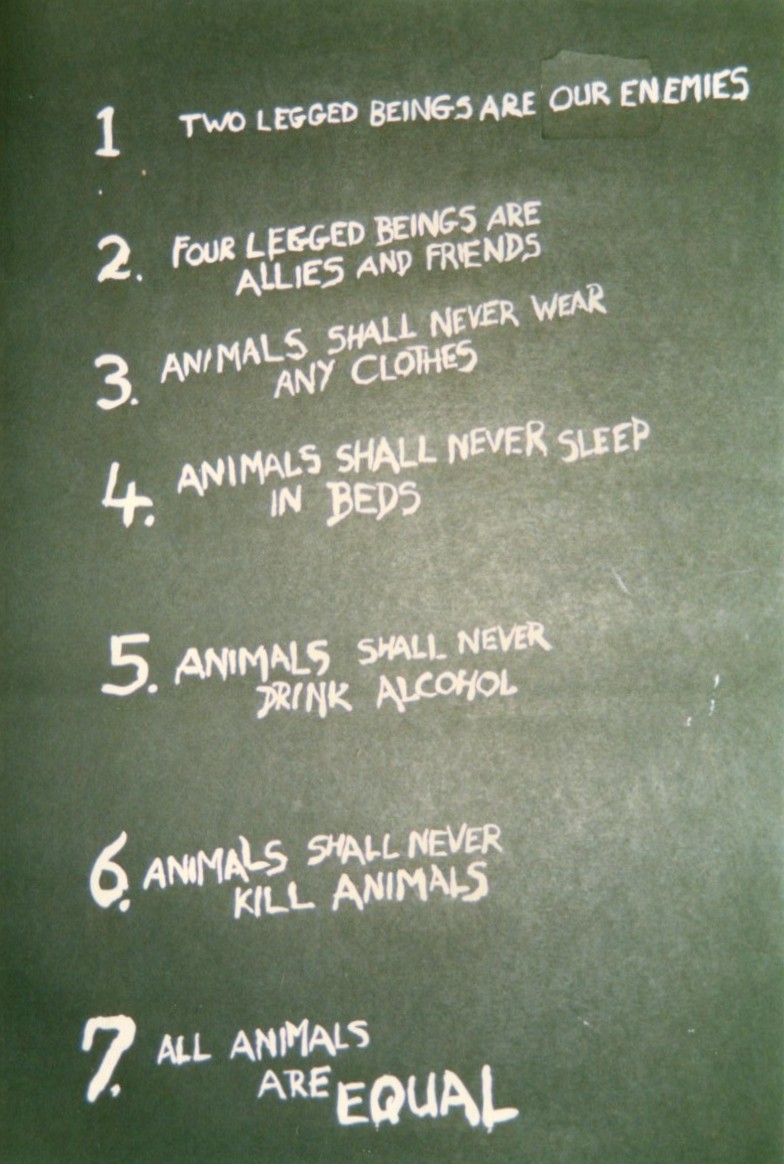
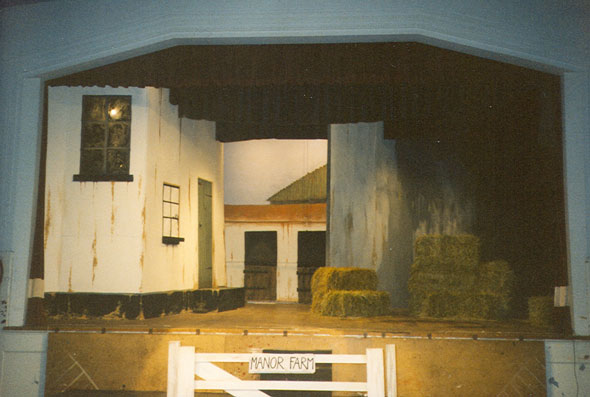
One night, all the animals at Manor Farm gather in the barn to hear ‘Old Major’, a pig, describe a dream he had about a world where all animals live free from the tyranny of their human masters. The elderly pig dies soon after the meeting, but the animals — inspired by his philosophy of Animalism — plot a rebellion against the farmer, Jones. When Jones drunkenly forgets to feed the animals, they rise up, and Jones and his farmhands are chased away. Manor Farm is renamed Animal Farm, and the Seven Commandments of Animalism are painted on the barn wall. But what follows is far from the dream that Old Major promised…
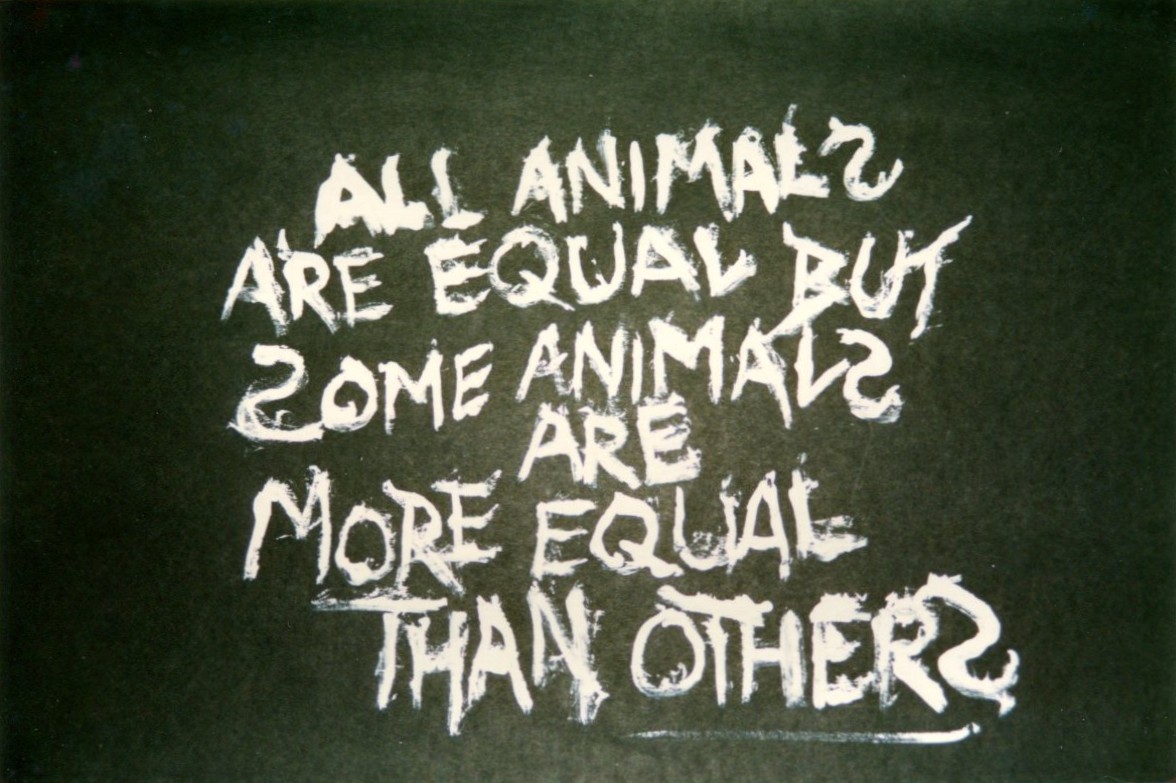
‘All Animals Are Equal – But Some Are More Equal Than Others’
George Orwell’s ‘Animal Farm’ is a powerful and uncompromising allegory of the Russian revolution, with every character and event that takes place in his tale mirroring Russian history from October 1917 through to the Teheran Conference of 1943.
The succession of steps through which, by persuasion, propaganda, lies and force, Napoleon rises to power in ‘Animal Farm’ are a bitter parody of Josef Stalin’s ascent to dictatorship, and what Orwell saw as the ultimate betrayal of the Russian people.
A fable, a satire, a fairy story, ‘Animal Farm’ is one of the great works of English literature, and a revealing study of the effects of power.
The evocative, and by association, now chilling music chosen by the director to open the production was ‘Fantasia on a theme by Thomas Tallis’ written by Ralph Vaughan Williams. The same composer’s ‘Five variants of Dives and Lazarus’ was used to maintain the mood during the interval.
The Cast
Behind the Scenes
Image Gallery










The Reviews
Farm Animals With A Bite
Great works of satire are apt to transcend the purpose for which they were written. For example, “Gulliver’s Travels” is still enjoyed by readers who have little knowledge of early 18th century society and the politics of Sir Robert Walpole.
George Orwell’s “Animal Farm” has as its aim a savage critique of the Russian revolution and its aftermath, with the pigs Napoleon and Snowball representing Stalin and Trotsky, but in its wider sense it stands as comment on Lord Acton’s dictum about the corruption of power. In the production by Theatre Workshop Coulsdon, of which there are further performances today (Friday) and tomorrow, the adaptation by Peter Hall affords a brisk and lively entertainment in its own right. Stalin or no Stalin, its message is universal, though I for one would repudiate any connection between the great Corsican and the Georgian butcher.
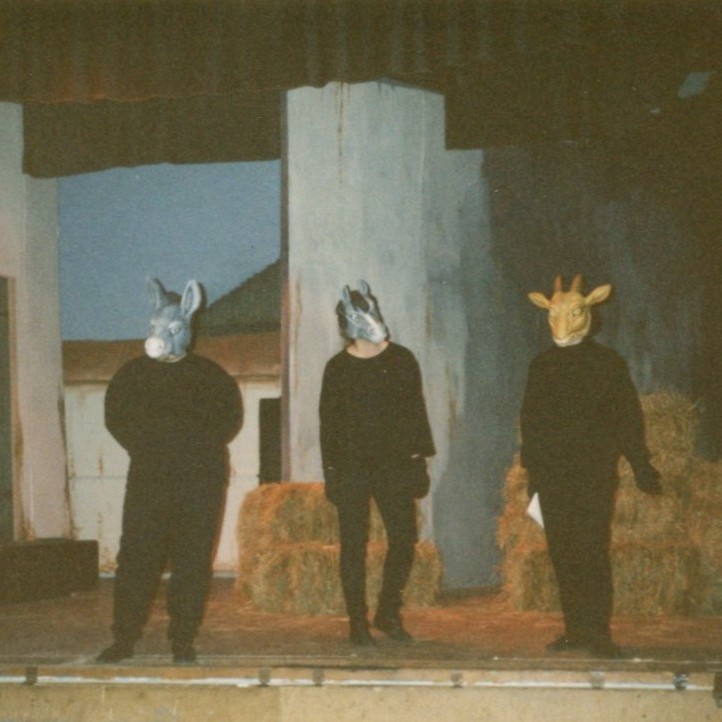
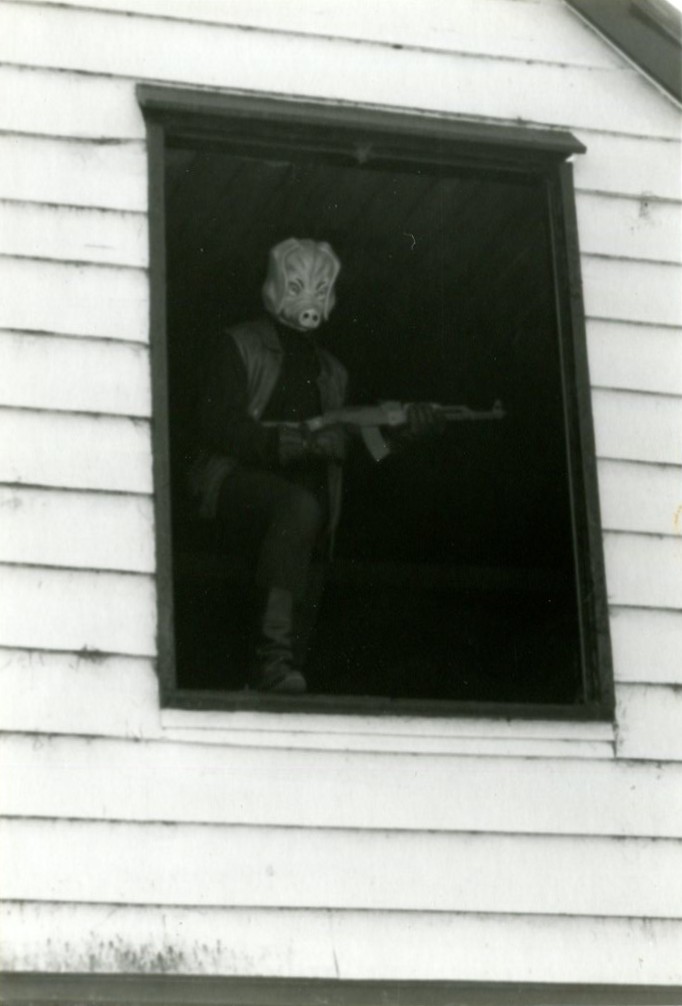
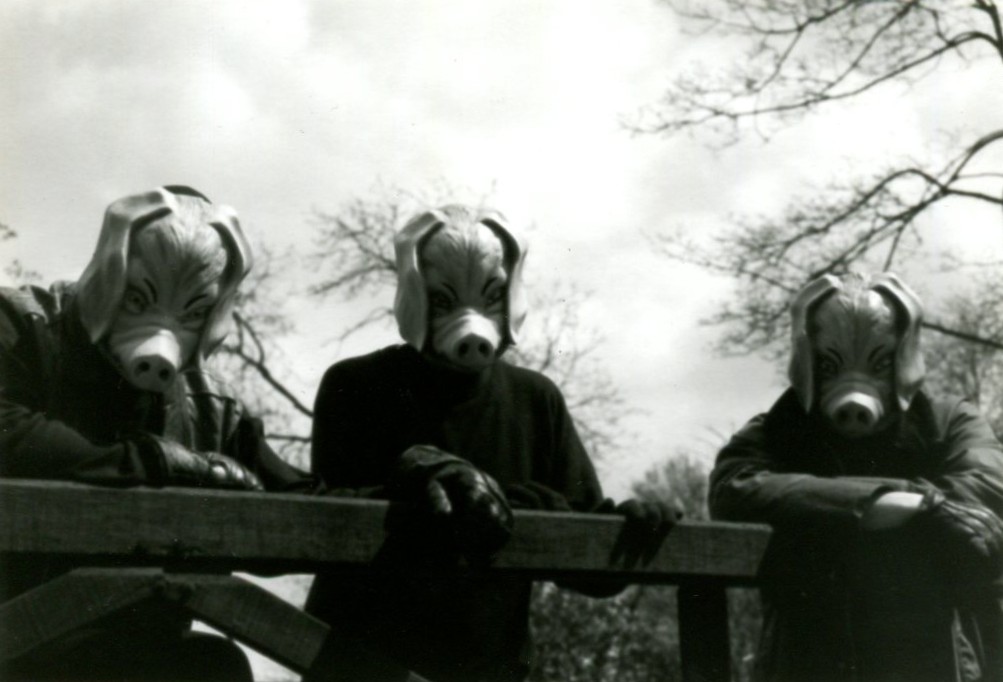
Richard Lloyd’s production uses realistic animal masks, but behind them the voices tend to sound curiously boomy and muffled. It is not always easy to distinguish who is speaking at any given time, and the similarity between the pigs sometimes leads to confusion. But the main thrust of the story comes across powerfully.
Detached from the action is Lisa King who, book in hand, acts as narrator, nudging things along with passages from Orwell himself. Simeon Dawes declaims as Old Major, prophet of the revolution. Then, when Mike Brown’s drunken farmer Jones has been driven out, we see the logic of power following its own rules. At first all animals are equal, but of course the lying, cheating Napoleon, played with cold venom by Paul M Ford, soon proves that some are more equal than others, and none more equal than himself. Richard Lloyd plays the idealist Snowball, who is eventually driven out by Napoleon’s savage dogs, into which Mike Brown and Simeon Dawes have now transformed. Chris Argles represents the decent but unquestioning power of organised labour as faithful Boxer the workhorse.
Helen Charman and Wendy Cole are well to the fore among the other animals, and the ending has a quality of fierce mockery that tells its own story.
by Donald Madgwick for the Croydon Advertiser
Other Productions