Mort
About the Production
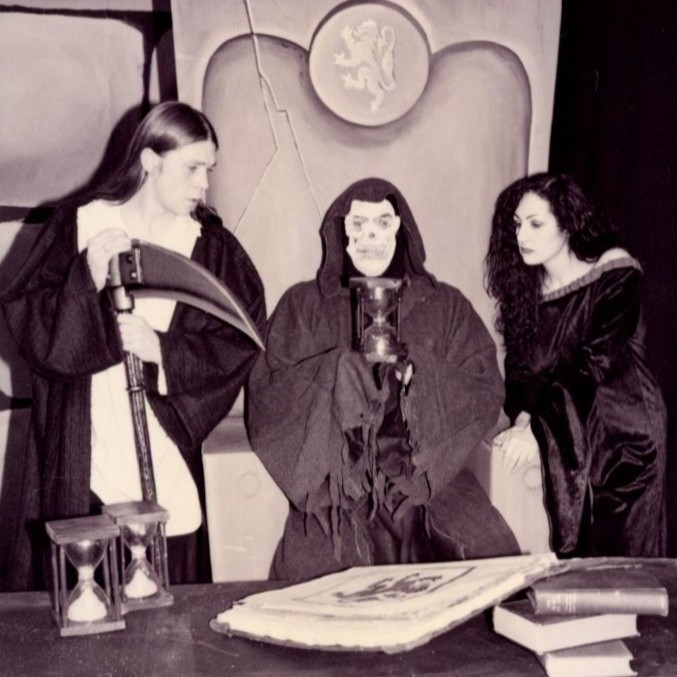
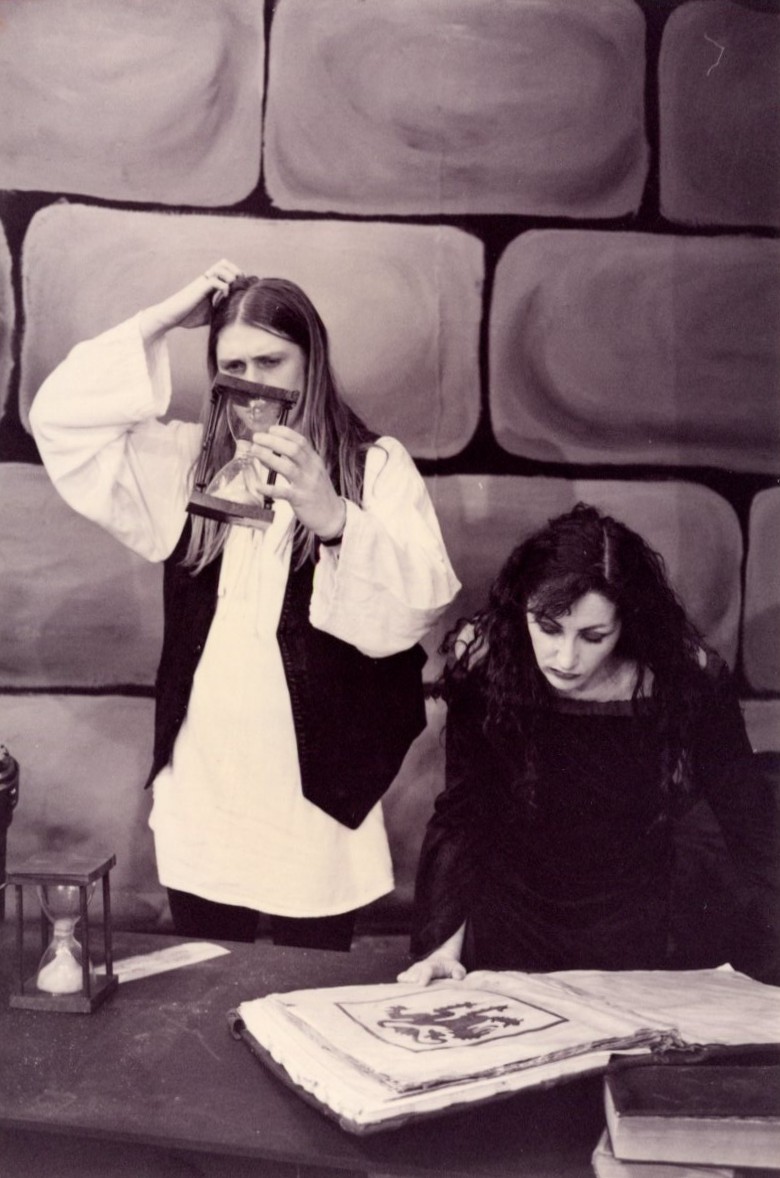
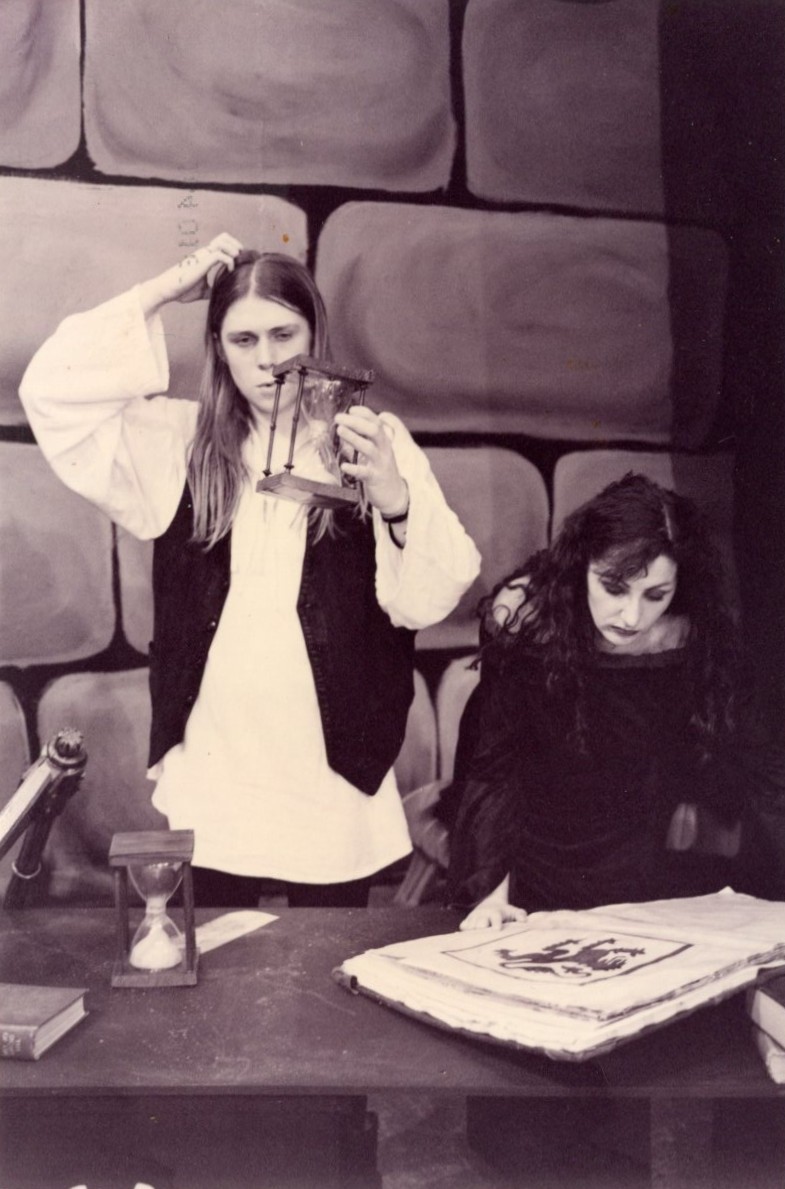
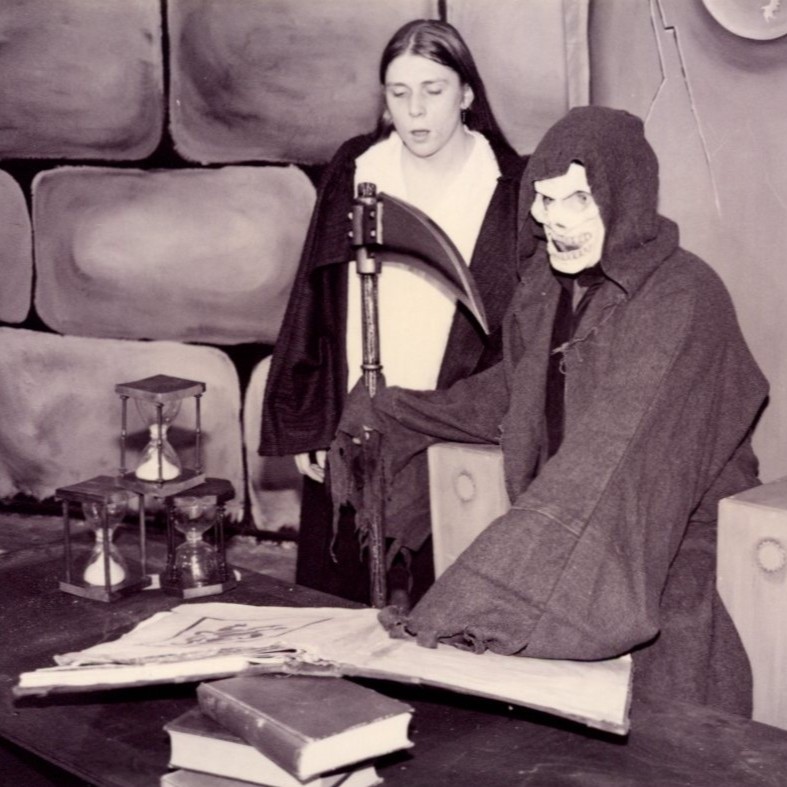
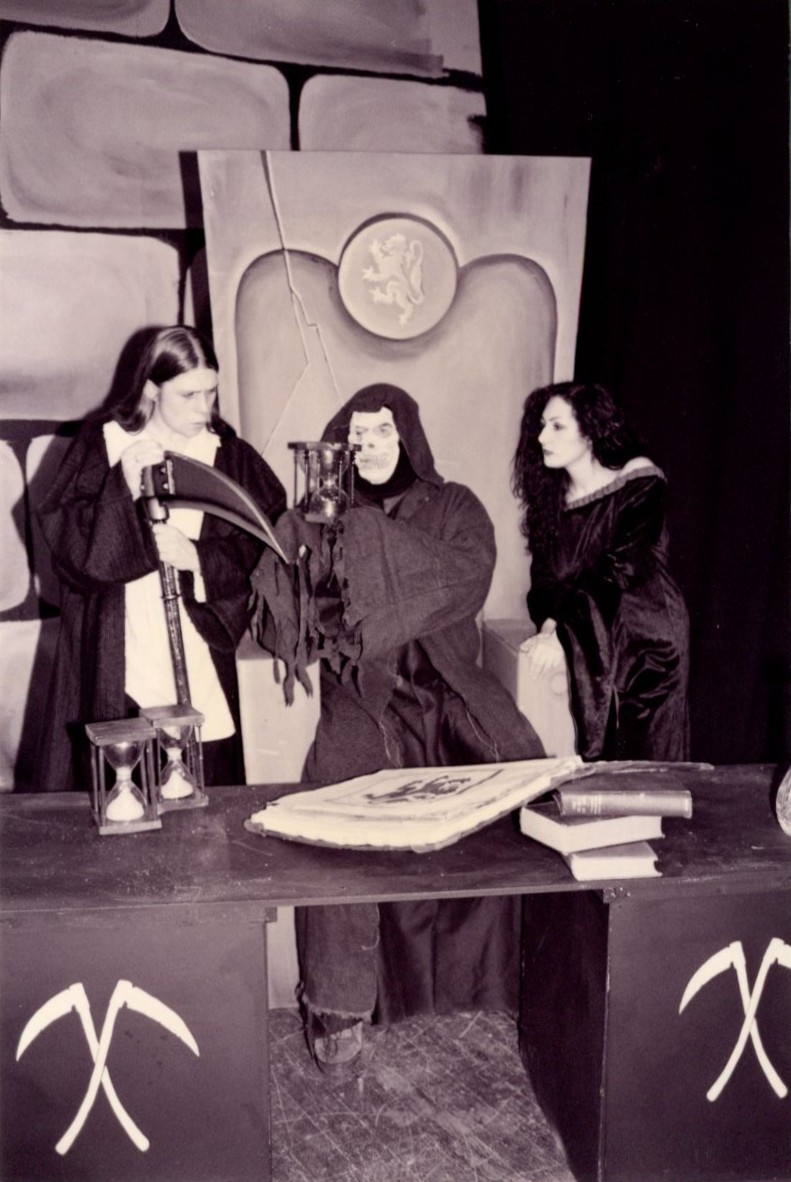
Welcome to Discworld, the light-hearted fantasy universe devised by the author Terry Pratchett and unleashed upon an unsuspecting world in 1983, with the publication of the first Discworld novel, ‘The Colour of Magic’. Contained within its pages was a fleeting appearance of Death, not as a concept but as a personification, complete with hooded robe (over a seven foot tall skeletal body), scythe, sonorous voice and riding a pale horse called… Binky.
Death would go on to become one of Pratchett’s defining creations, and appeared in all bar two of the 41 Discworld novels that Pratchett wrote before his death in 2015. In ‘Mort’, the fourth Discworld novel, published in 1987, the story focuses on Death as he takes an apprentice, the aptly named Mort (‘Mort’ meaning ‘death’ or ‘dead’ in French). Mort, who prefers to be called by his full name, Mortimer, is a gangly, inattentive but well-meaning teenager whose father is only too glad to pass on to another’s responsibility.
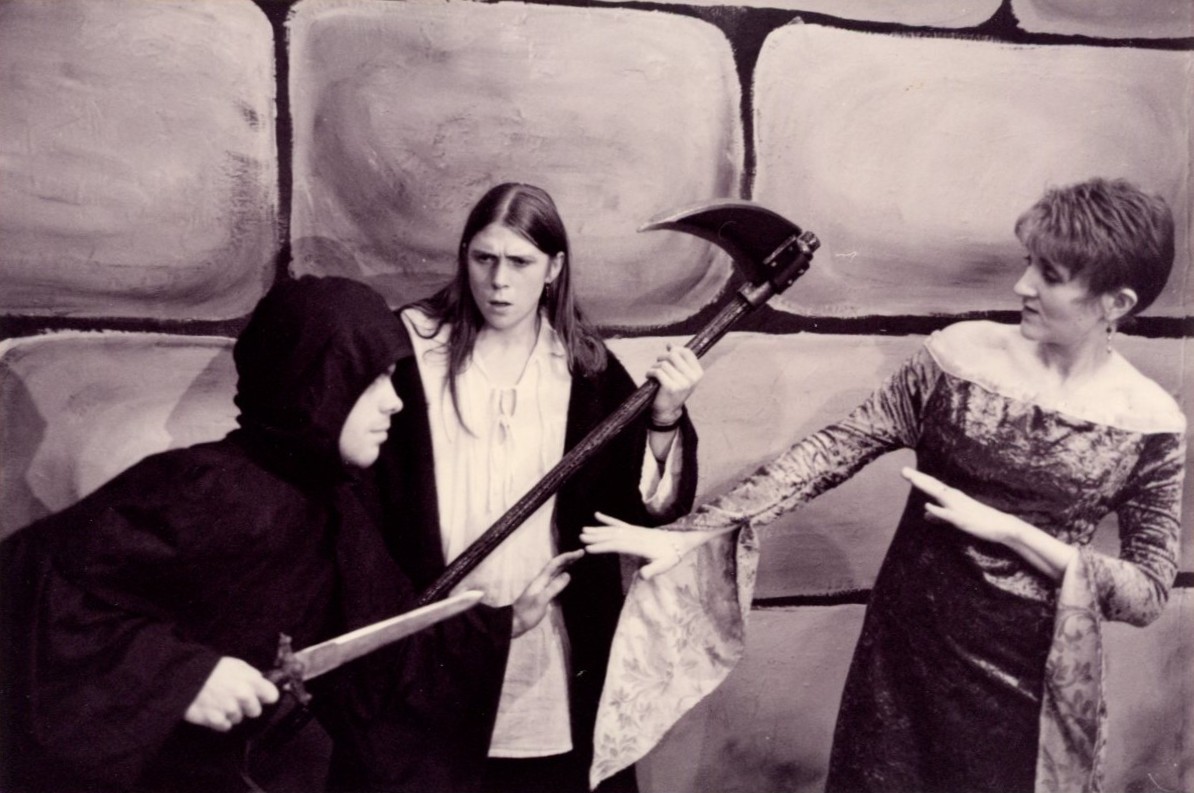
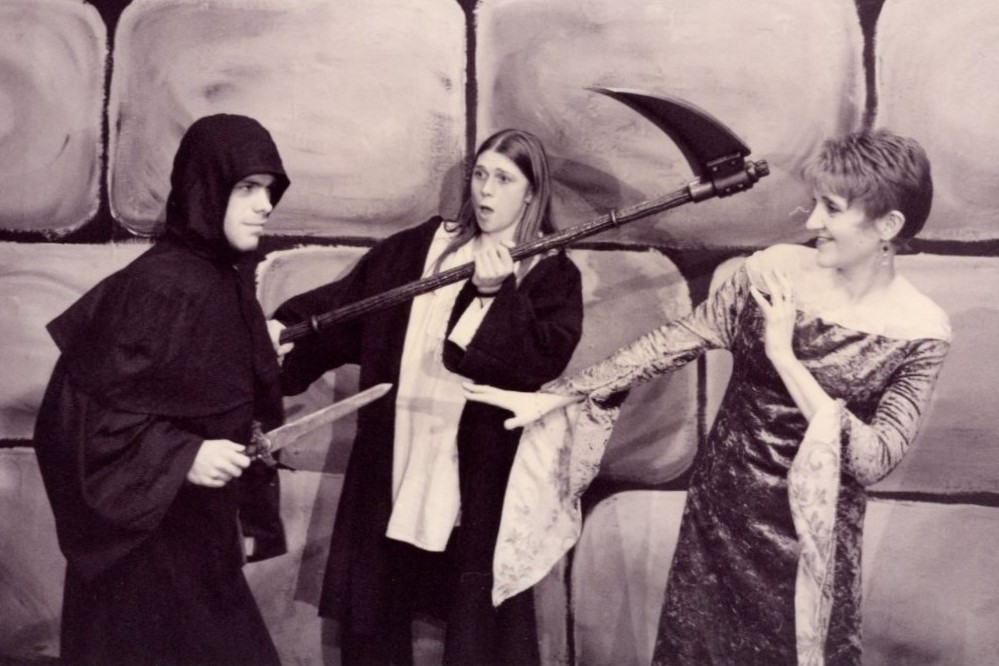
Mort does his best of course, but allows his feelings to get in the way. One night, while undertaking ‘The Duty’, he’s called to the bedroom of Princess Keli of Sto Lat, who is about to be assassinated by an agent of the scheming Duke of Sto Helit. Rather than simply escort her soul away in the aftermath of her death however, he prevents the assassination, which sounds great, but sadly, it doesn’t end there. She may not have been killed, but as her death was already pre-determined, people are beginning to act as if she’s not really there…
Stephen Briggs adapted ‘Mort’ for the stage in 1993, and as a frequent collaborator with the author has actually adapted over twenty of Terry Pratchett’s novels for the amateur stage. TWC have performed three of them, ‘Mort’, ‘Wyrd Sisters’ and ‘Lords and Ladies’, all directed by Mike Brown.
.

The Cast
Behind the Scenes
Image Gallery



The Reviews
When Mort, described as a callow youth, accepts an apprenticeship with Death, he little knows what he is letting himself in for. But this is Discworld, the dislocated abode of author Terry Pratchett’s imagination; as strange in its way as Tolkien’s Middle Earth, and likewise invested with its own system of logic.
Of course Mort (in the feminine) is itself French for Death, so Mortimer (as he prefers to be called) is already halfway there. But when, in his professional capacity, he intervenes to kill the assassin who is about to despatch the Princess Keli, such interference with the fabric of reality brings in its train a surprising and sinister chain of consequences.
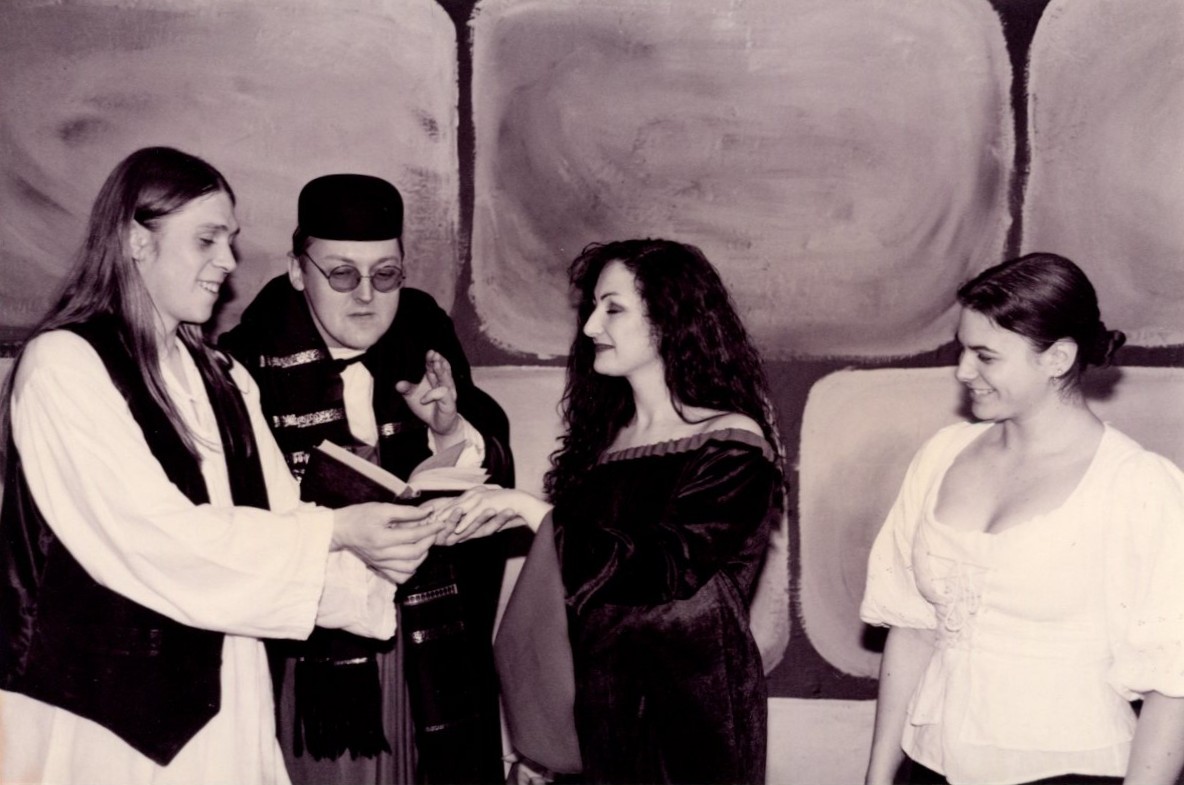
I confess I have not read Pratchett’s book, and the stage adaptation by Stephen Briggs is at times hard to follow. Not that I think it matters all that much whether its labyrinthine complexity is always crystal clear. The chase is the thing, and in this respect Mike Brown’s pacy production certainly gives us a roller-coaster of a ride. Abundant atmosphere is created by Richard Lloyd’s cavernous-voiced death, whom we are often unsure whether to applaud or execrate. As Mort, Peter Bird bears the burden of a busy plot with light shoulders, like some careless hero from a boys’ magazine. Assisting him (when she is not impeding his progress) is the attractive Tatiana Allison as Death’s adopted daughter Ysabell, who has been 19 for the past 35 years, and looks well on it.
There is a terrific performance from Chris Argles as Death’s manservant Albert, who grows to monstrous wizardry until, losing his staff, he sinks back into the servitude from which he emerged.
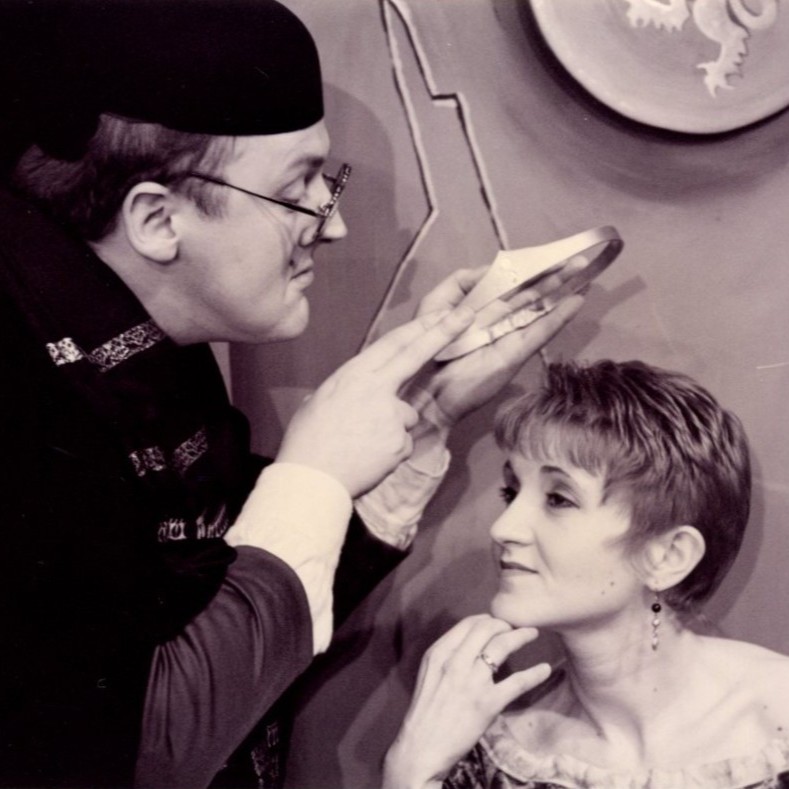
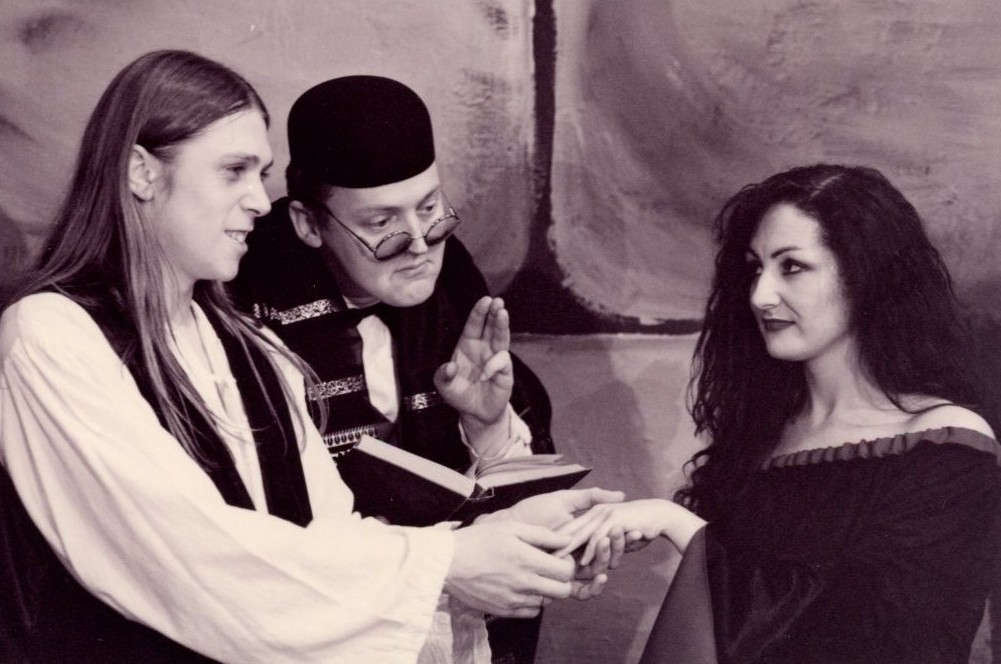
The sizeable cast afford moments both humorous and bizarre, with Paul Breden taking the palm as the wizard Cutwell.
Reviewed by Donald Madgwick for The Croydon Advertiser
Other Productions