Zenobia
About the Production
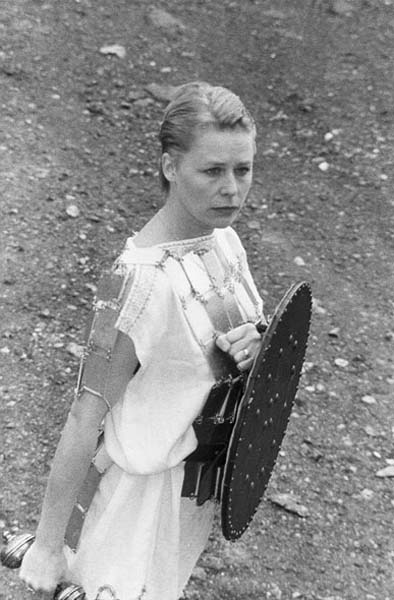
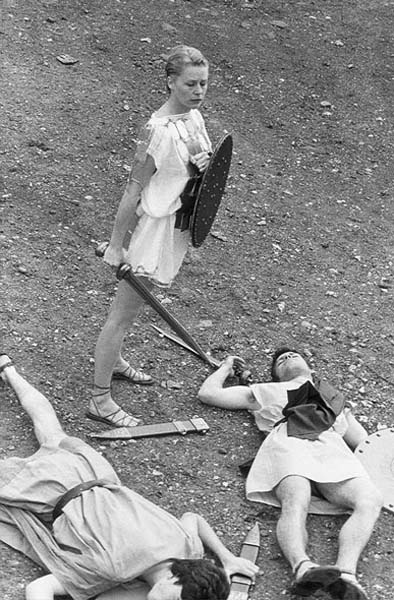
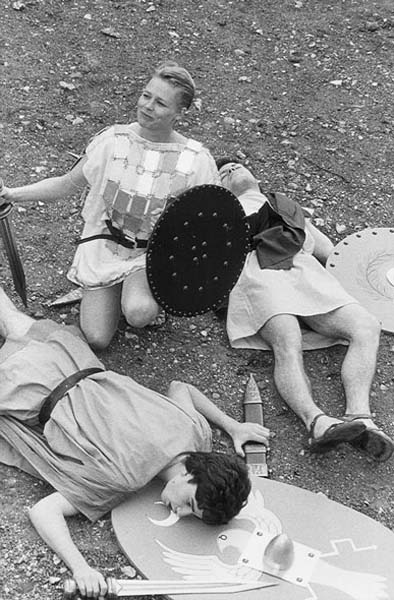
AD 268. The once mighty Roman Empire now lies in chaos. Corrupted from within, its borders besieged, the Empire could be be overthrown by one man… or one woman. Zenobia, the upstart warrior Queen of Palmyra, seizes her chance to change history forever, and moves her forces into battle with the legions of Aurelian, an Emperor seeing his grip on the Eastern end of the Mediterranean slip. However, Zenobia’s son and heir, Wahballat, has no desire to become King, and spends his time engaged in strange alchemical experiments with Porphyry, a philosophy student with a secret.
A story of love, adventure, ambition and their costs during of the decline of the Roman Empire.
Written by Nick Dear and first performed at The Young Vic in 1995 by the Royal Shakespeare Company, Zenobia is a story of love and adventure, death and betrayal. Seeded heavily with dark humour, this tale is based on historical fact, but its use of modern language makes it easily accessible and is in turn dramatic, moving and funny.
This the first ever amateur production of Zenobia.

The Cast
Behind the Scenes
Image Gallery
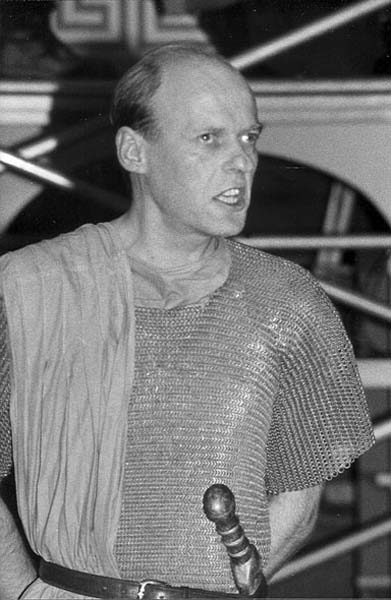
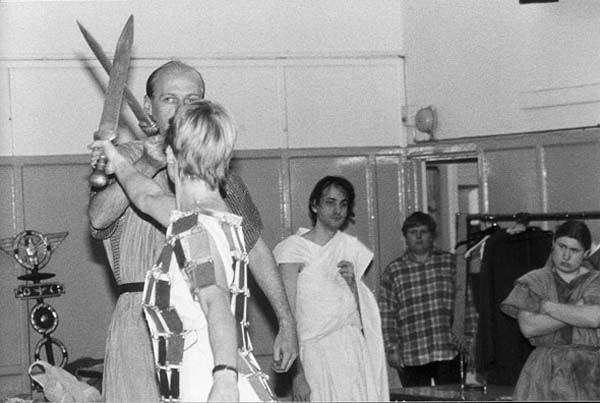
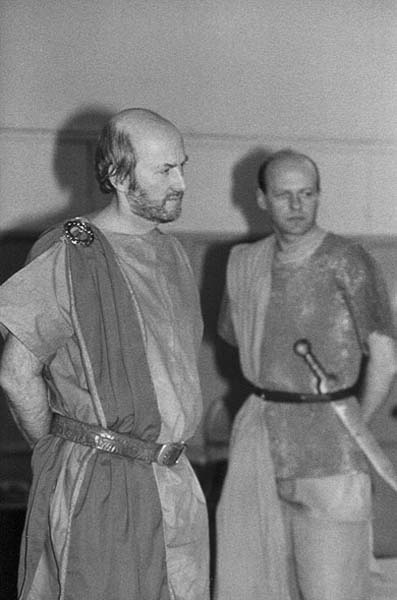
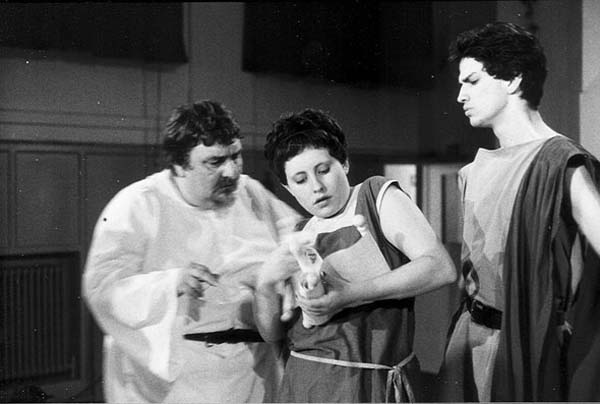
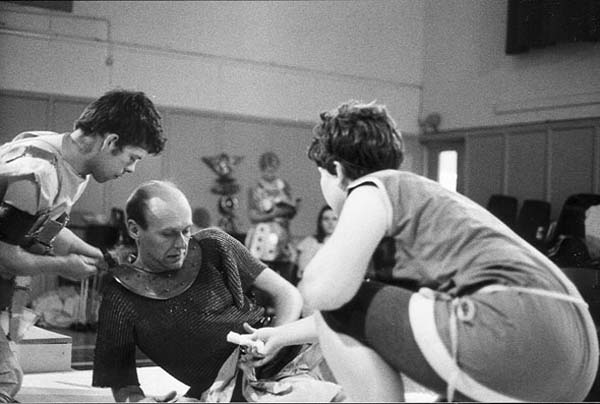
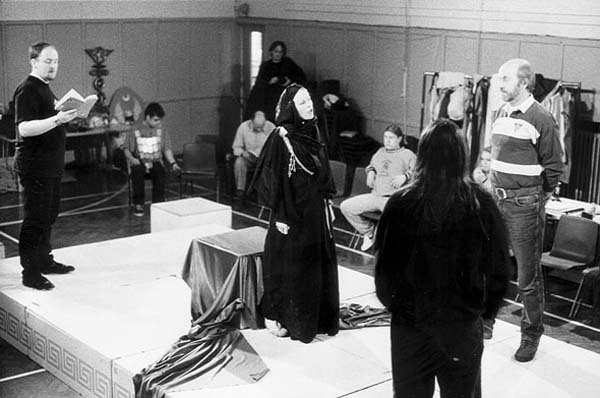
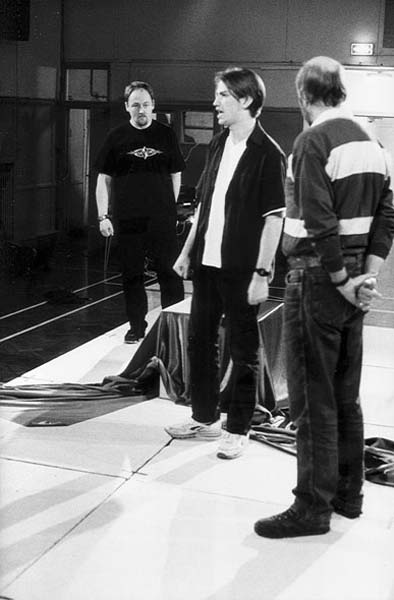
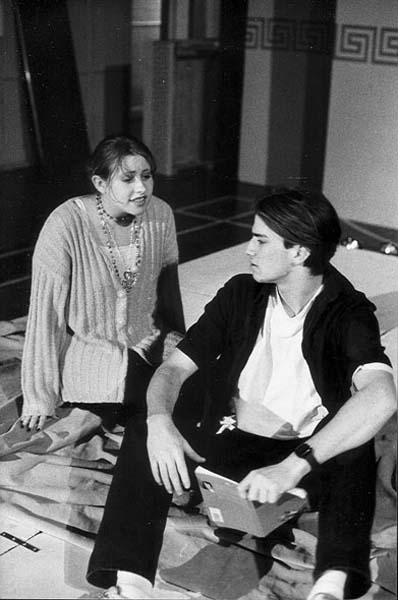
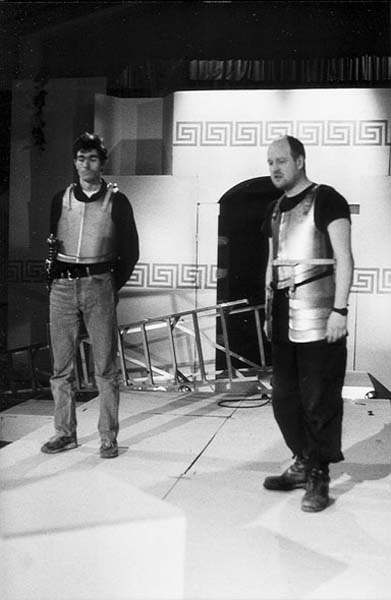
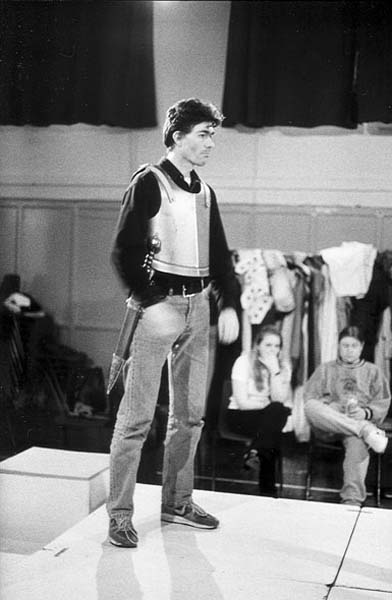
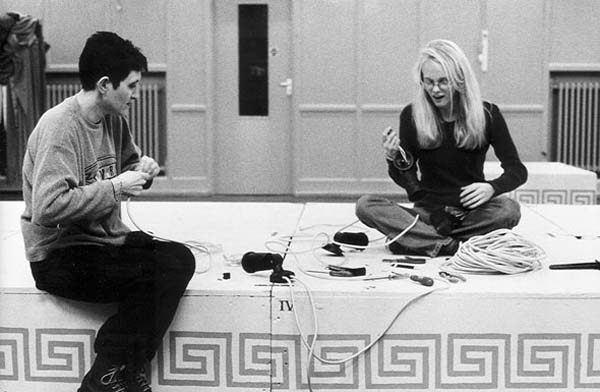
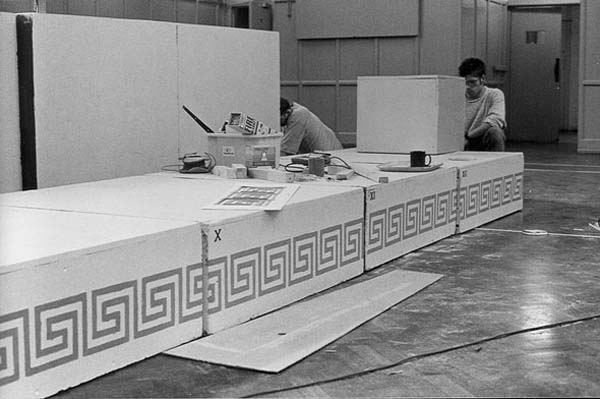
The Reviews
Brave group step back to those Roman times
What a brave choice of play, the world premiere of a challenging work written by Nick Dear and first performed by the Royal Shakespeare Company. It is set in AD 267 and covers wide geographical territory during its eight year time span.
The play is based on historical events, at a time when the corrupt Roman Empire was losing its grip on outlying dominions and Zenobia, queen of Palmyra in Syria, threw off the despised shackles of womanhood and led her armies in a bloody rebellion against the legions of Emperor Aurelian. Fact and fiction blend convincingly in this fascinating and exciting slice of drama which Paul M Ford directed so that the play’s detail never dragged it down and every character was portrayed with great vigour.
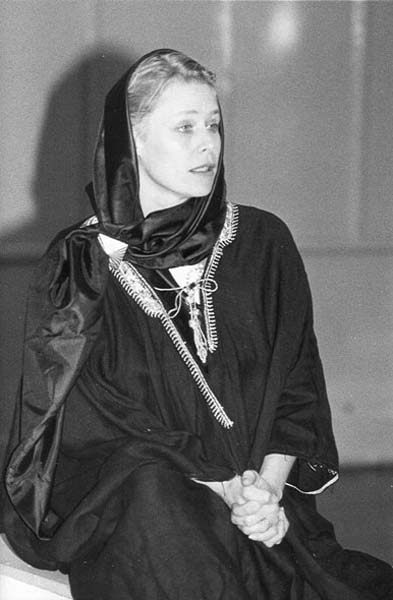
Cast outnumbered the audience by some three to one for the Saturday matinee I attended, but all credit to the professional attitude of the company that never allowed their energy or commitment to flag. Lisa Lloyd’s fair skin, blonde hair and slight build worked against her as the eastern warrior queen of the title. But her performance as the armour-clad, sword-swinging rebel prepared to meet the Emperor in mortal combat was a joy for its arrogance, authority and bravado. It came as a surprise to find her transformed into the meek, compliant and utterly feminine looking wife of a grotesquely greedy, filthy rich Roman senator as the play reached its conclusion.
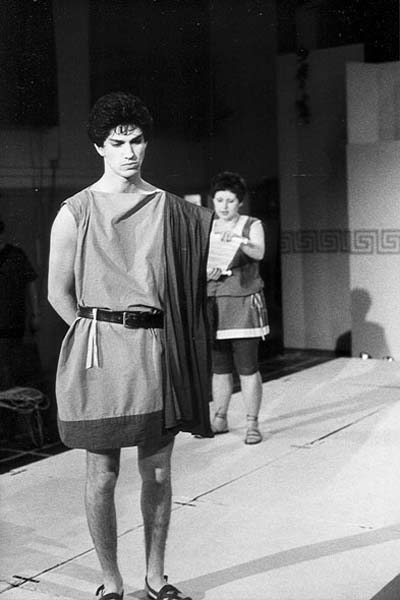
Michael Brown gave a very strong performance of the crude and cunning Emperor, with Simeon Dawes in staunch support as Probus, obviously so much more to him than just a tribune. Let us just say they sealed their comradeship with a kiss. In contrast to the power-crazed and depraved people around him, Daniel Ireson’s Wahballat – Zenobia’s son, who would rather be a scholar than a king – was refreshing in his idealistic purity, and his delight and relief at discovering the object of his love was not a boy but a girl in disguise was quite touching. Heidi Bush was charming as the gentle girl in question – a feminist like Zenobia, but challenging male traditions far more effectively.
Christopher Argles, Paul M Ford and Bruce Montgomery all gave valuable performances as members of the Palmyran court while Paul Breden looked wonderful with his flowing hair as Zenobia’s faithful eunuch Malik.
Tim Young also looked great – a bit like Peter Ustinov – as the Greek philosopher Longinus but could have milked even more comedy from the role. I liked the staging of the play, in the round with a large cat-walk style platform and a few blocks, which allowed the scenes to move along swiftly without losing any dramatic impact. The whole enterprise was given an enormous boost by Peter Bird’s evocative incidental music and the spot-on sound effects ranging from the distant clash and clamour of battle to heavy rainfall.
Diana Ecclestone for The Croydon Advertiser
Other Productions